

Nice · French Riviera
The workshop is in Ubrique.
So is the leather.
Each piece is made individually.
And yours will be unique to you.
The house
A house in Nice,
a workshop in Ubrique.
Maison Corbelli is named after its founder's mother's surname. This is where it all began.
- The name
Corbelli, the founder's mother's maiden name, became the name of the house.
- The workshop
The choice of Ubrique, where leather is a family affair.
- The first play
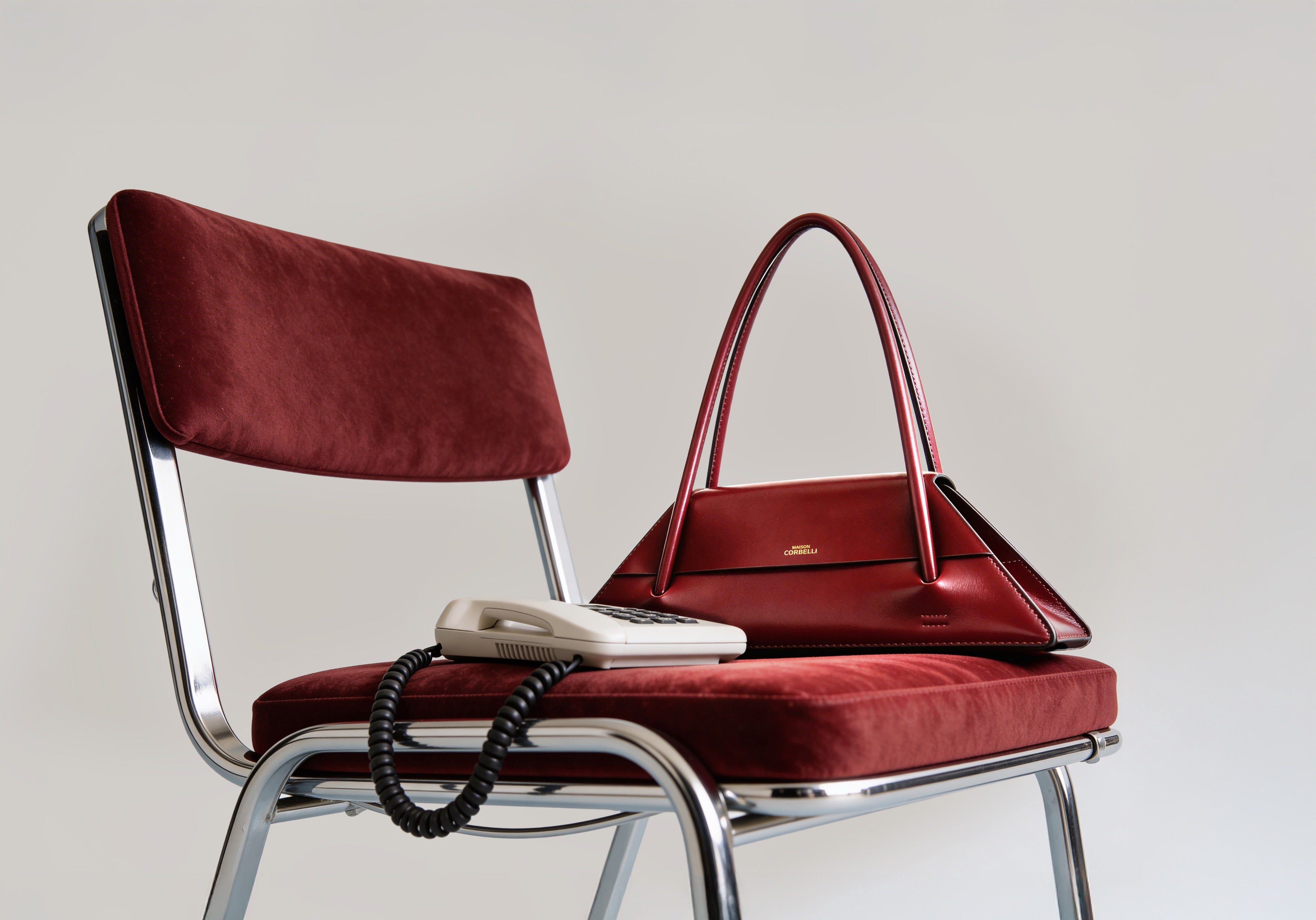
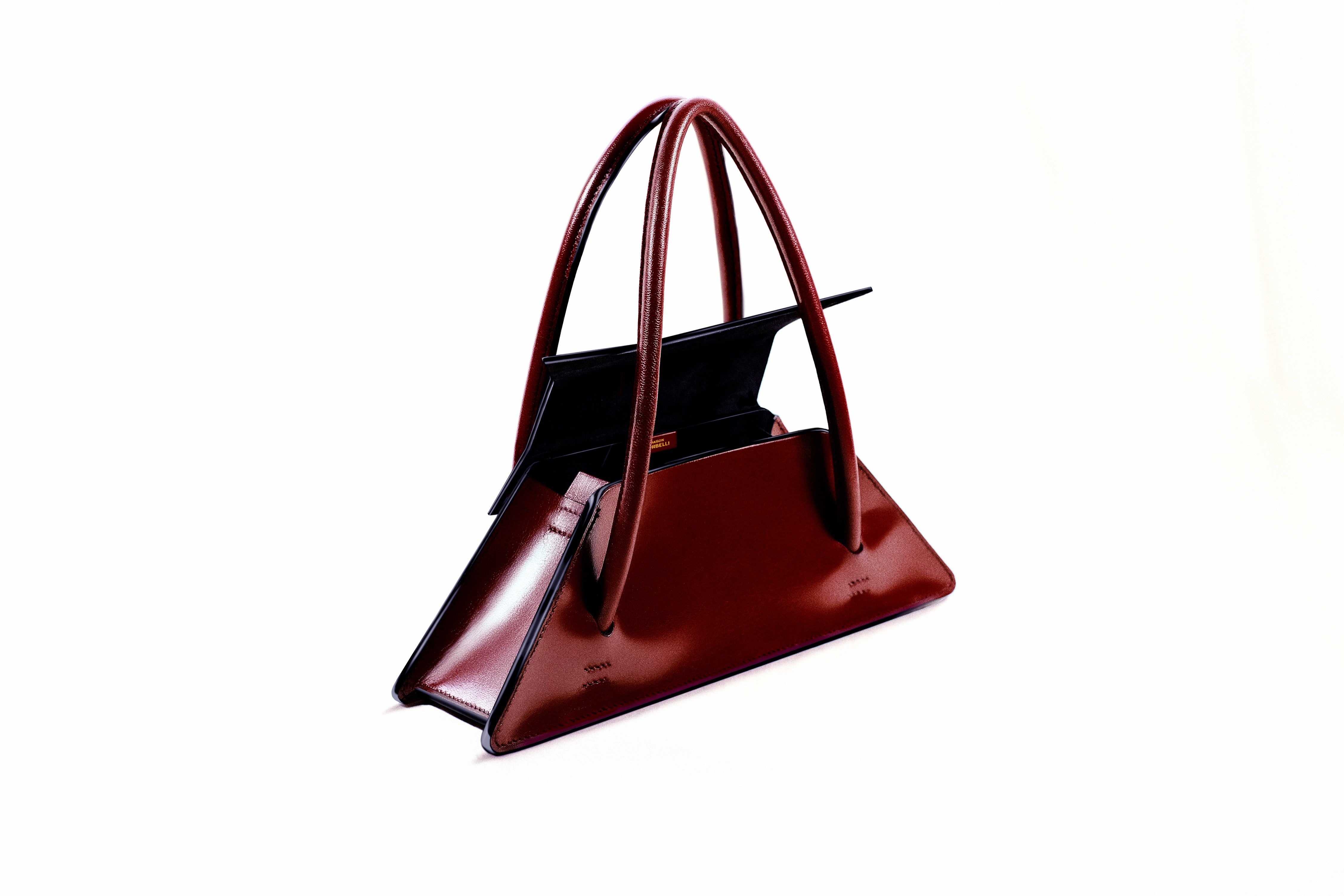
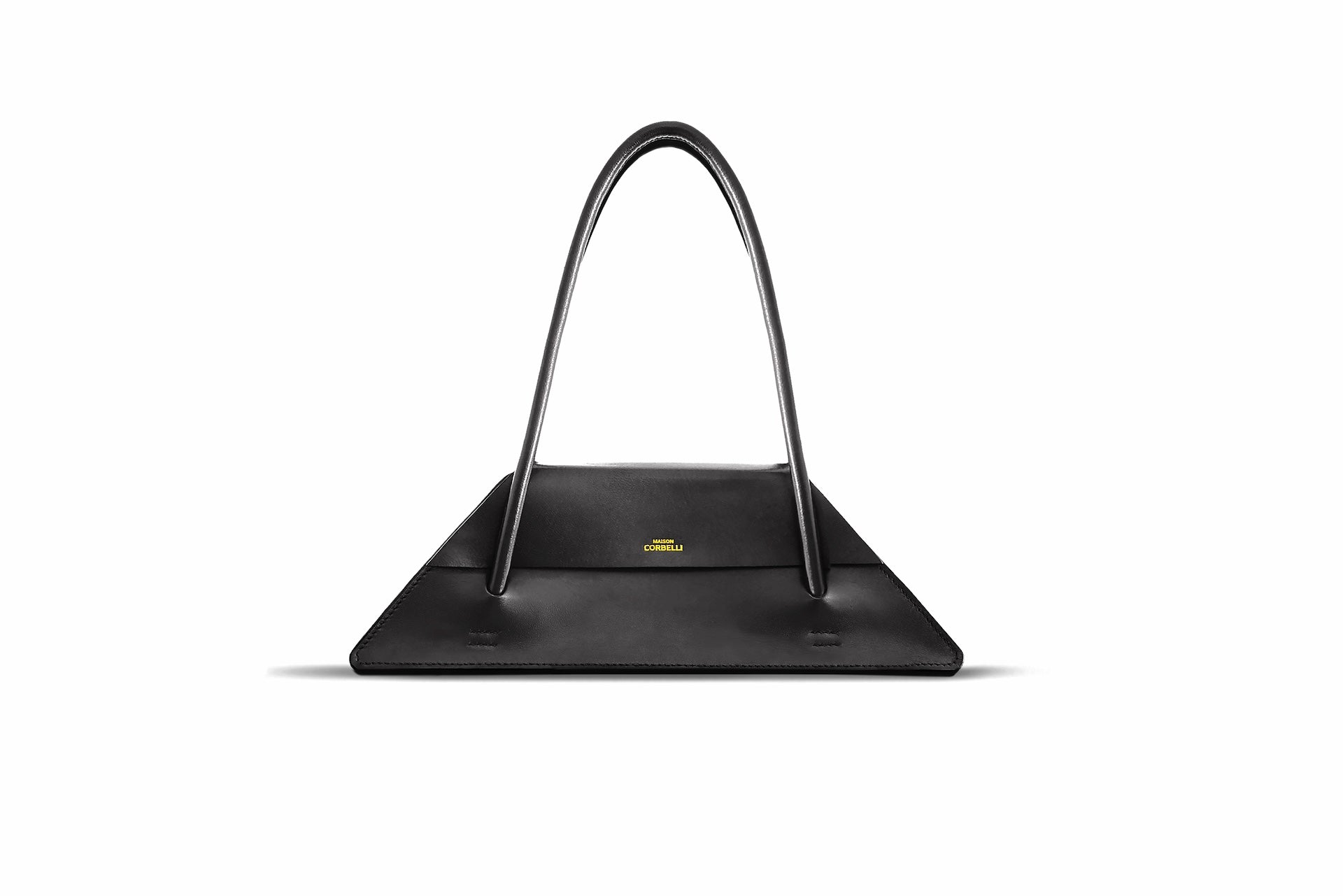
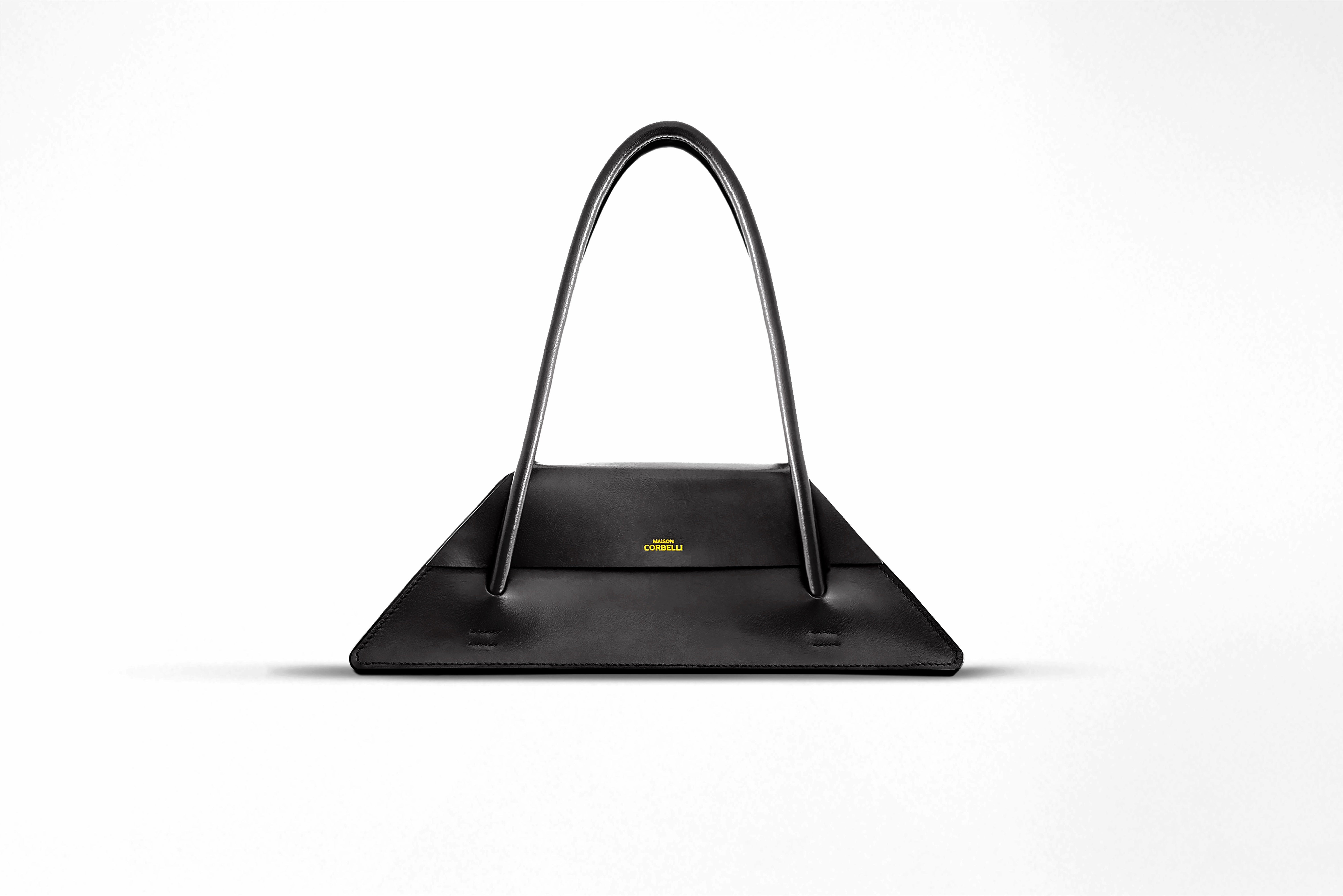
Elie Mini leaves the workshop. The handbag that sets the tone for everything else.
- The catalog
Five rooms, available all year round.
Nice, French Riviera

Workshop selection
You know, when I started creating my bags, I wasn't just looking for a supplier. I was looking for a family. A place where people truly know each other, where we help each other out, where work isn't just a transaction.
I visited many workshops. Several countries, several cities. And then one day, I arrived in Ubrique, a small town lost in Andalusia, nestled in the heart of the mountains. And honestly? I fell in love before I even stepped through the first door.
We stopped for coffee after a two-hour drive to get there. And the only thing we heard, the only thing, was the singing of birds mixed with the sound of sewing machines. The whole town has breathed leather for generations. It's not an industry there. It's a legacy.
We visited several suppliers before finding the right one. And when we stumbled upon this one, a small family business, passed down from father to son for three generations, I knew. A clean factory, where respect for employees and working hours is not an option.
We were won over. Simply, completely won over.

From hide to bag,
in four steps.
Ubrique, workshop of the house
-
01
The skin
Each hide arrives whole and is examined flat, under grazing light. Areas marked by the animal's life are discarded. A piece like Elie requires approximately one square meter of leather.
-
02
The cut
The pattern is laid out by hand, in the direction of the leather grain. The panels are cut one by one: this allows for following the grain rather than maximizing surface yield. On the same hide, two bags are never cut from the exact same spot.
-
03
The edit
The edges are pared, the suede leather lining is in place, the panels assembled. The visible seams are hand-stitched, stitch by stitch.
-
04
The Finish
The edges are dyed and smoothed, the gold hardware is attached, and the piece undergoes a final human quality control check. It leaves the workshop the day it meets the specifications.
- 100%leather
- 1 square meterof hide per bag
- 2 PMhand-shaping
- 5assembly stations
A place
A white village in Andalusia.
A workshop.
Ubrique lies in a valley in Andalusia, between Cadiz and Málaga, nestled between mountains and the sea. Leather has been worked there for generations, where the craft is so ordinary it is no longer spoken of: it is seen in the hand of a man who folds a piece of leather to assess its quality.
It was there that Alexandre went looking for a workshop, and he chose just one. The five pieces of the collection are made one by one, in small batches. The leather is tanned in the same country, a few hours' drive away: the hide is worked where it originated.
Creation is a journey: it is envisioned facing the vast blue sea in Nice, and it takes shape under the hands of Ubrique artisans.

Andalusia
The same light as in Nice,
a sea away.
Ubrique, Sierra de Cádiz, Andalusia
In the workshop
Five things
you don't see on a finished bag.
A piece of jewelry retains few traces of its making. Here’s what’s behind the one you’ll wear.
-
SkinsThey arrive whole and lie flat, waiting. You read a hide before cutting it: the grain, the pores, the areas the animal has marked. -
The tableThe pattern is laid out by hand, panel by panel. This is where it's decided where the most beautiful part of the leather will fall on the finished bag. -
The wireThe visible seams are hand-stitched, stitch by stitch. It's meticulous, and it shows more in use than at purchase. -
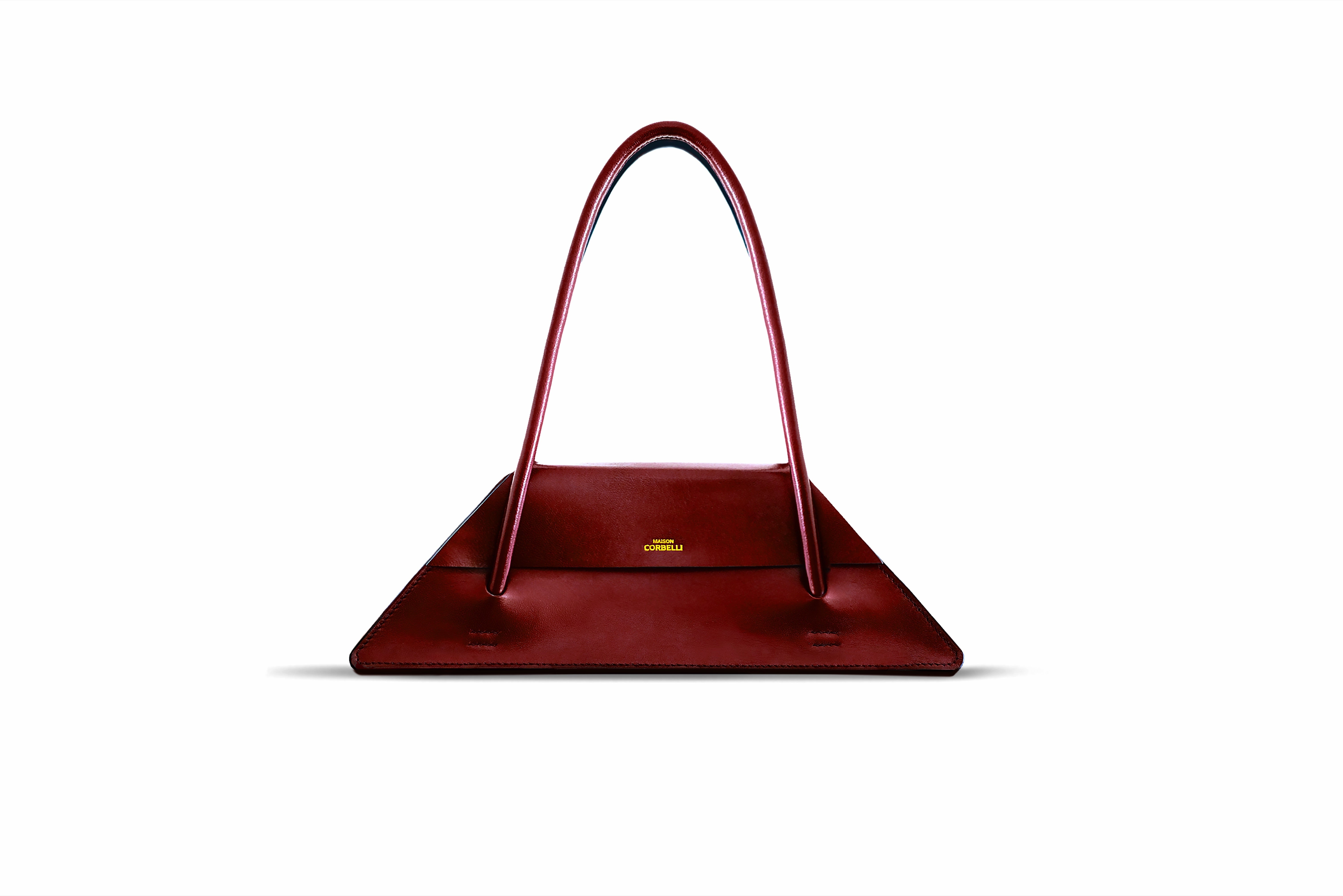
The slicesEach leather edge is dyed and smoothed until it is neat to the touch. It’s the detail you don't notice but that makes all the difference. -
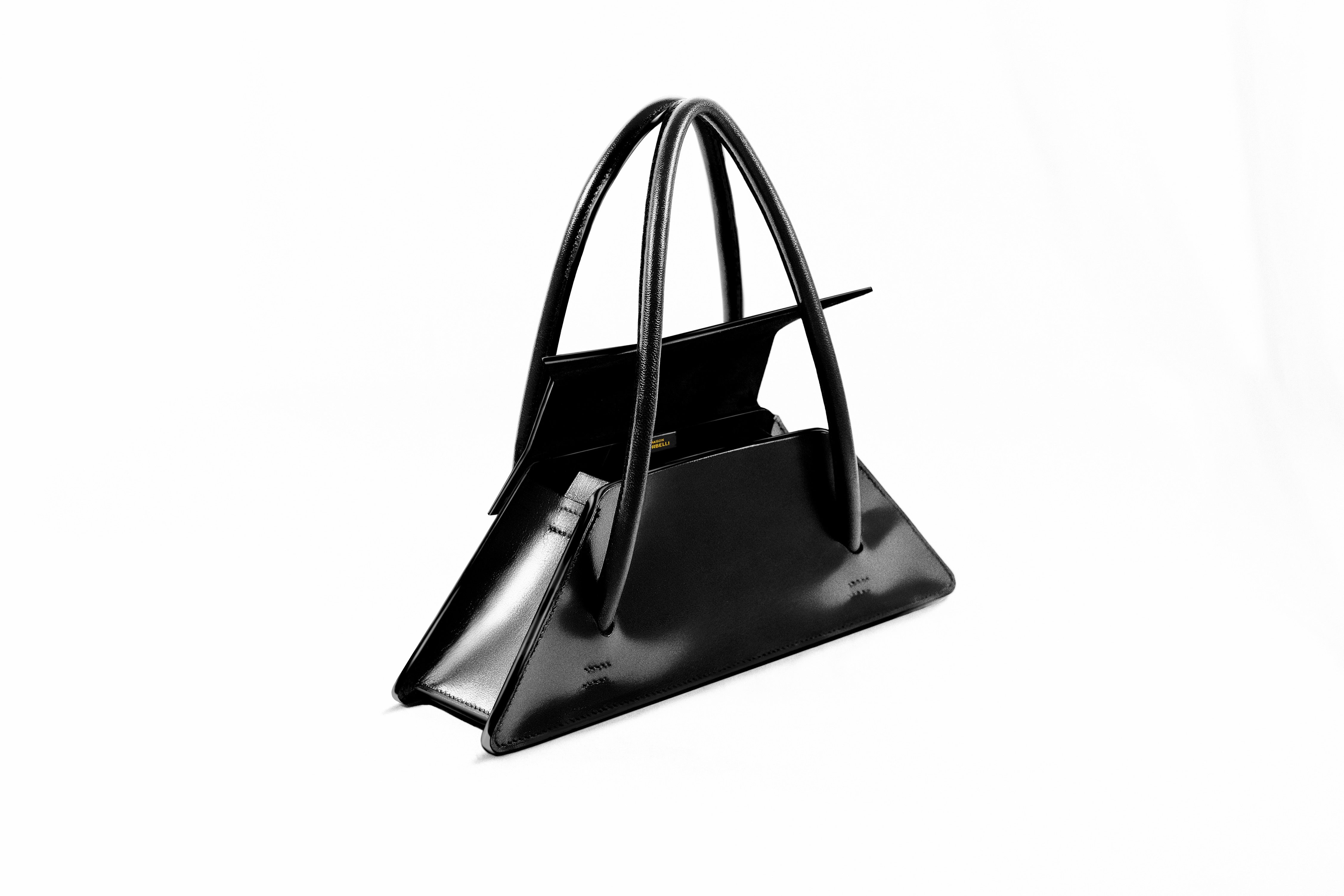
The inspectionEvery piece is handled, opened, closed, and turned over before it leaves. A piece that doesn't pass remains in the workshop.
FAQ
Our Most Frequently Asked Questions
Another question? Write to the workshop, someone will respond within 24 hours. Not customer service: the workshop.